
A MOMENT FOR YOU
What’s one small step you can take today?
No perfect answers. Just a little room to reflect.
“If you want to be happy, do what happy people do!” I wrote that line in my book Success-Full, and Thanksgiving is the perfect day to put it to work. Happy people say thank you. A lot.
But let’s be honest. Thanksgiving in recovery isn’t always a Norman Rockwell painting. There’s the uncle who asks too many questions, the cousin who brings the wine, the long drive, the old family roles that snap right back into place. It’s easy to walk in grateful and walk out grumpy.
So this year, let’s flip the order. Let’s get the gratitude going before the turkey hits the table.
Write your gratitude list before the meal
Before you leave the house, or before guests ring the bell, take five minutes and write down ten things you’re grateful for. Not big, fancy things. Small, real ones.
- I woke up sober today.
- I have somewhere to be and people who want me there.
- My hands are steady enough to carry the pie.
- I remember last Thanksgiving, all of it.
Put the list in your pocket. When the conversation heads somewhere tense, slip your hand in and touch it. It’s a quiet reminder of who you are now.
Gratitude isn’t just a nice feeling. It’s a choice about where you point your attention. When I wrote about trading scarcity for abundance, this was the heart of it. There’s enough sun for everyone, even on a cloudy Thursday in November.
Thank one person out loud
Here’s the challenge that takes a little courage. Pick one person at the table and thank them out loud. Be specific.
“Mom, thank you for driving me to my appointments last spring.”
“Thanks for checking in on me every Sunday. It mattered more than you know.”
You don’t need a speech. One honest sentence will do. You may be surprised how it changes the room. Families who’ve been through addiction together often carry a lot of unspoken hurt. A sincere thank-you won’t fix everything, but it opens a door. If trust is still being rebuilt, my post on rebuilding trust one kept promise at a time might help.
Count your sober Thanksgivings
I’ve been sober since April 14, 1988. That makes this my 39th sober Thanksgiving. Thirty-nine! Each one is a gift I didn’t earn and couldn’t have bought.
Whether this is your first sober Thanksgiving or your fortieth, count it. If it’s your first, that’s huge. Celebrate it. Tell someone who’s in your corner. If you’re a few years in, remember what the early ones felt like, and look around for someone at the start of the road who could use a kind word.
The apostle Paul put it simply: “give thanks in all circumstances; for this is the will of God in Christ Jesus for you.” 1 Thessalonians 5:18 (ESV). All circumstances. Not just the easy ones. Not only when the gravy turns out right. Gratitude in the hard moments is where the real strength grows.
Keep your plan in your pocket too
Gratitude works best alongside a good plan. Bring your own drink so there’s always something in your hand. Know when you’re leaving. Have a couple of people you can call or text. Practice a simple “No thanks, I’m good” for when someone offers you a drink. If you haven’t made your plan yet, my holiday recovery plan lays it all out step by step.
And if the day turns hard anyway, that’s okay. Step outside. Take a walk. Call your person. Leave early if you need to. Protecting your recovery is something to be grateful for too.
Grateful, not grumpy
You can’t control who shows up or what gets said. You can control what you bring to the table. Bring a grateful heart, a thank-you ready to share, and a plan in your pocket. That’s a Thanksgiving worth remembering. Life is GOOD!!!
So here’s my question for you: Who’s the one person you’ll thank out loud this Thanksgiving?
Go, Go, Go… Dan
Where to get help
- 911 for an overdose, someone not breathing, or immediate danger. Give naloxone if you suspect an opioid overdose, and stay with them.
- 988 Suicide & Crisis Lifeline: call or text 988, or chat at 988lifeline.org. Family members can call too.
- SAMHSA National Helpline: 1-800-662-4357. Free, confidential treatment referral, 24/7, in English and Spanish.
- FindTreatment.gov: search for licensed treatment near you.
This post is for information and encouragement. It isn’t medical or legal advice and doesn’t replace a doctor, a counselor, or emergency care.
Books quoted in this post:
- ESV Holy Bible: https://www.amazon.com/dp/1433503832?tag=happyrecove0e-20
- Success-Full by Dr. Dan Callahan: https://www.amazon.com/dp/B0CL5BQR7J?tag=happyrecove0e-20
As an Amazon Associate, I earn from qualifying purchases.
One small favor: would you add Happy Recovery as a preferred source on Google? It only takes a few seconds, and it really helps.
—
AI transparency: I used AI to help draft this from my own notes and books, and I reviewed it before posting. Quotes belong to their original sources.
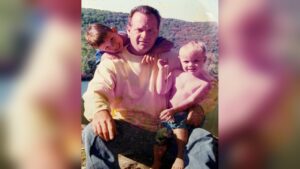
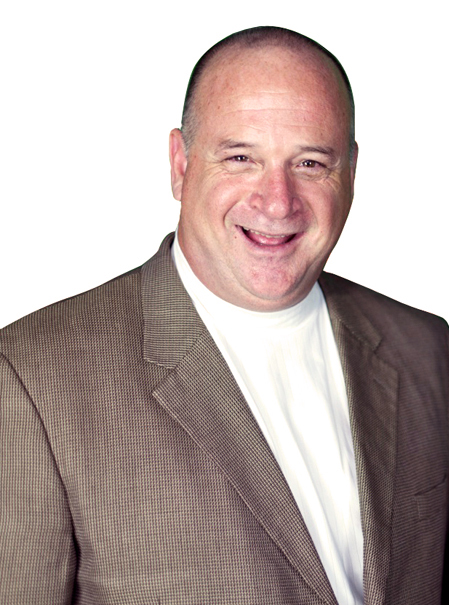
Featured photo: Dan’s own photo (not AI).
Keep the conversation going.
Sometimes hearing another person’s experience helps an idea settle in. Explore conversations about recovery, community, and finding a way forward.