
FREE FAMILY GUIDE
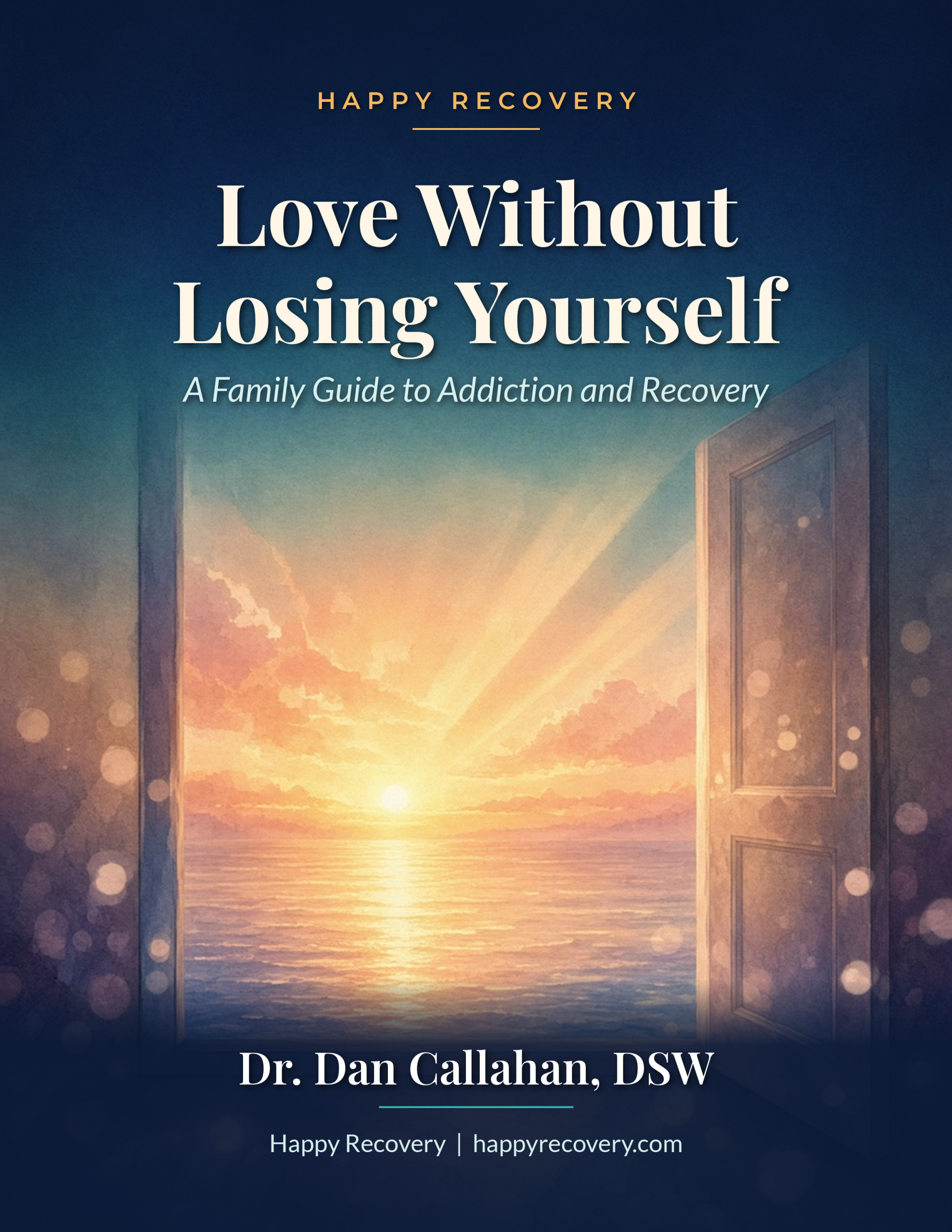
If someone you love is struggling with drugs or alcohol, you’re probably tired, worried, and not sure what to do next. This free guide is for parents, spouses, partners, and families who want to help without losing themselves along the way.
START HERE IF OPIOIDS ARE PART OF YOUR STORY
If opioids are part of your family’s story, start with Section 2. Today’s street supply is often contaminated with fentanyl, and a very small amount can be deadly. Naloxone (Narcan) can reverse an opioid overdose, and since 2023 you can usually buy it at a pharmacy counter without a prescription. The guide shows you where to keep it, what to do in an emergency, and why it belongs in the house even when things are going well.
WHAT YOU’LL GET
A GENTLE NOTE
This guide is for information and encouragement. It isn’t medical advice, and it doesn’t replace a doctor, a counselor, or emergency care. Big decisions, like asking someone to leave home, are best made with a counselor or doctor and a safety plan in place. The guide also points you to the kinds of help worth calling, including counselors trained in CRAFT or family therapy.

Enter your email below, and I’ll send you the guide. You’ll also hear from me when new posts on recovery, hope, and family go up. It’s free, and you can unsubscribe anytime.
Check your inbox for the download link.
About the author: Dr. Dan Callahan, DSW, LMSW, ICRC-ADC, has worked in human services for over 40 years, since 1983.
If someone is in danger right now, call 911. If you or someone you love is thinking about suicide, call or text 988.
AI transparency: I used AI to help draft this page from the guide and reviewed it before posting. Facts and quotes belong to their original sources.
Image created with AI assistance: the cover background is AI-generated.